Description
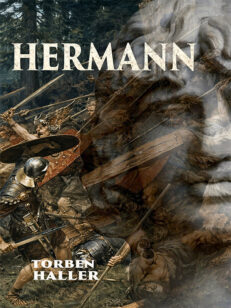
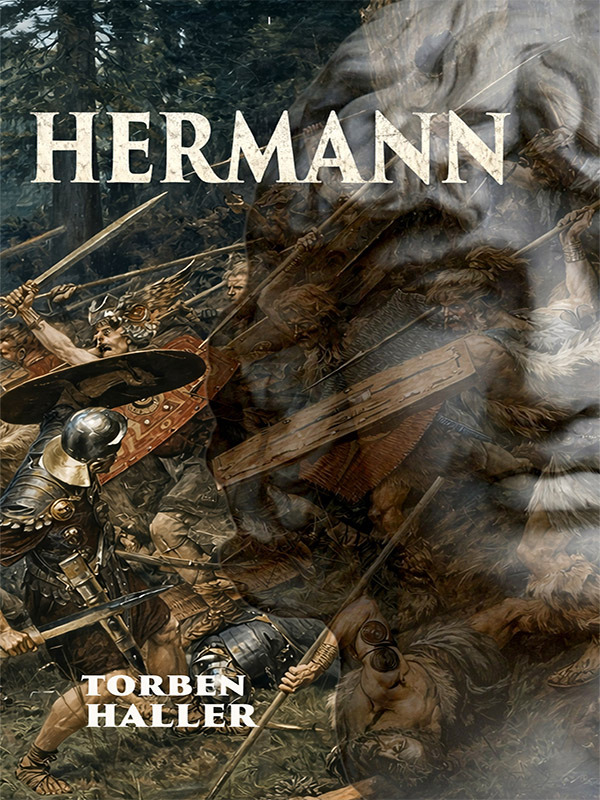
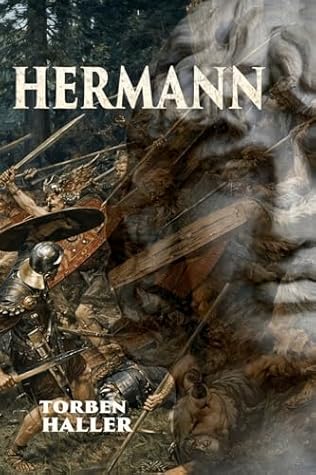
HERMANN is a sweeping historical epic that follows the extraordinary life of Hermann Cheruscer, known to the Romans as Arminius—the Germanic prince raised by Rome who would ultimately lead the rebellion that halted Roman expansion into northern Europe.
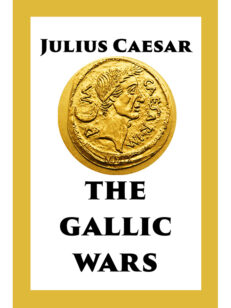
The story begins in 55 BC, when Julius Caesar first forced the Rhine frontier, building his famous bridges and opening the long confrontation between Rome and the Germanic tribes. Over the following decades, Roman forts spread along the Rhine and Roman influence deepened across Germania, dividing the tribes between supporters of Rome and those determined to resist it.
Among the Cherusci, two young noble brothers—Hermann and Hadugast, later named Flavus by the Romans—are taken to Rome as hostages and raised within the Roman world. Trained as officers of the empire, they serve Rome in distant provinces, yet their loyalties gradually diverge. While Flavus embraces Roman civilization, Hermann grows increasingly troubled by the empire’s domination of subject peoples.
Returning to Germania under the Roman governor Publius Quinctilius Varus, Hermann secretly begins forging alliances among rival tribes while outwardly serving Rome as a trusted commander. His carefully laid plans culminate in the catastrophic destruction of three Roman legions in the Battle of the Teutoburg Forest, one of the greatest military disasters in Roman history.
Yet the story does not end with that victory.
Rome responds with renewed determination. Powerful Roman armies under Germanicus launch repeated campaigns deep into Germania, fighting major battles at places such as Idistaviso and the Angrivarian Wall in an effort to crush Hermann and restore Roman prestige.
Despite battlefield successes, Germanicus fails to break Hermann’s power or secure lasting Roman control of Germania. During these campaigns the Romans do achieve one deeply personal victory: with the help of Segestes they capture Thusnelda and her young son, who are carried away to Rome as prisoners.
Eventually the emperor Tiberius decides that the conquest of Germania is not worth the cost. Germanicus is recalled, and the Roman legions withdraw permanently to the Rhine.
By any strategic measure, Hermann has achieved what no enemy of Rome had managed before—forcing the empire to abandon a major conquest.
Yet the unity Hermann created among the tribes begins to unravel. During the long years of warfare he had been offered the title of king by the Germanic tribes, a position he initially refused. Later, as Roman diplomacy continues to sow division among the tribes, Hermann announces that he is prepared to accept the role of war king after all.
This reversal provokes suspicion and resentment. Some leaders question his motives, while others fear he seeks absolute authority.
Encouraged by his long-time rival Segestes, a conspiracy forms among the tribal leaders.
The man who defeated Rome and preserved the independence of Germania ultimately falls victim not to Roman arms, but to political intrigue and rivalry among his own people.
Thus the life of Hermann ends as it began—in a world where loyalty, ambition, and division prove as powerful as the might of Rome itself.
HERMANN is therefore not only the story of a great rebellion, but also a tragic portrait of a leader caught between cultures, loyalties, and ambitions, whose greatest victory could not save him from the divisions within the world he fought to unite.
HISTORICAL NOTE
HERMANN is a work of historical fiction inspired by real events and historical figures.
Almost all of the characters appearing in the story—including Publius Quinctilius Varus, Germanicus, Tiberius, Thusnelda, Flavus, and Segestes—were real historical figures.
The major events depicted in the novel—including the Roman expansion beyond the Rhine beginning with the campaigns of Julius Caesar, the destruction of Varus’s legions, and the later campaigns of Germanicus in Germania—are drawn from ancient historical sources, particularly the works of Tacitus, Velleius Paterculus, and Cassius Dio.
While the broad historical framework of the novel follows these recorded events, dialogue, personal relationships, and certain narrative details have been imaginatively reconstructed in order to bring the story and its characters to life.
KEY HISTORICAL FIGURES IN THE NOVEL
Hermann Cheruscer (Arminius)
A Germanic noble of the Cherusci tribe who was raised in Rome and trained as a Roman officer. He later united several Germanic tribes and led the rebellion that destroyed three Roman legions in the Teutoburg Forest, halting Rome’s expansion into Germania.
Publius Quinctilius Varus
Roman governor of Germania and commander of the three legions ambushed and destroyed in the Teutoburg Forest in AD 9. His defeat remains one of the greatest military disasters in Roman history.
Germanicus
A prominent Roman general and nephew of Emperor Tiberius. Following the Teutoburg disaster, he led major Roman campaigns into Germania in an attempt to avenge the defeat and restore Roman authority.
Tiberius
Roman emperor during the later Germanic wars. After years of costly campaigns, he ultimately abandoned Rome’s attempt to conquer Germania and ordered the Roman legions to withdraw to the Rhine frontier.
Thusnelda
Daughter of the pro-Roman Germanic noble Segestes and wife of Hermann. She was captured by Roman forces during the campaigns of Germanicus and taken to Rome as a prisoner.
Flavus (Hadugast)
Brother of Hermann, taken with him to Rome as a hostage in childhood. Unlike Hermann, he remained loyal to Rome and served as an officer in the Roman army.
Segestes
A powerful Germanic noble and long-time rival of Hermann. Loyal to Rome, he repeatedly warned the Romans of Hermann’s plans and later played a role in the capture of Thusnelda.
KEY BATTLES IN THE NOVEL
The Battle of the Teutoburg Forest (AD 9)
One of the most devastating defeats in Roman military history. Three Roman legions under the governor Publius Quinctilius Varus were ambushed and destroyed in the forests of Germania by a coalition of Germanic tribes led by Hermann. The disaster shocked Rome and forced the empire to reconsider its plans for expansion east of the Rhine. This history-making event is surprisingly little known outside of specialist circles.
The Battle of the Long Bridges (AD 15)
During the campaigns of the Roman general Germanicus, Roman forces advancing through the marshlands of northern Germania were attacked by Germanic warriors under Hermann. The fighting was fierce and chaotic, illustrating the dangers faced by Roman armies operating far from secure supply lines in hostile terrain.
The Battle of Idistaviso (AD 16)
One of the largest confrontations between Roman and Germanic forces during the campaigns of Germanicus. The Roman army managed to achieve a battlefield victory, yet the outcome failed to destroy Hermann’s power or secure lasting Roman control of Germania.
The Battle of the Angrivarian Wall (AD 16)
Another major clash between Roman forces under Germanicus and the Germanic coalition led by Hermann. Despite Roman tactical success, the battle again failed to achieve Rome’s ultimate objective of subduing Germania permanently.
TIMELINE OF HISTORICAL EVENTS IN HERMANN
55 BC
Julius Caesar builds his famous bridges across the Rhine, marking Rome’s first major confrontation with the Germanic tribes.
Late 1st Century BC – Early 1st Century AD
Rome strengthens its frontier along the Rhine and begins extending influence into Germania. Germanic tribes become divided between pro-Roman and anti-Roman factions.
Childhood of Hermann
Hermann and his brother Hadugast (later Flavus) are taken to Rome as hostages and raised within the Roman world.
Early Military Career
Both brothers serve Rome as officers and participate in campaigns in various provinces, including Illyria.
AD 7–9
Hermann returns to Germania under the Roman governor Publius Quinctilius Varus and secretly begins organizing resistance among the tribes.
AD 9
The destruction of three Roman legions in the Battle of the Teutoburg Forest, one of Rome’s greatest military disasters.
AD 14–16
Major Roman campaigns into Germania led by Germanicus, including the battles of the Long Bridges, Idistaviso, and the Angrivarian Wall.
During the Campaigns of Germanicus
Thusnelda, Hermann’s wife, and their son are captured by Roman forces and taken to Rome.
AD 16–17
The Roman emperor Tiberius orders the withdrawal of Roman forces from Germania, effectively abandoning the attempt to conquer the region.
After the Roman Withdrawal
Internal divisions among the Germanic tribes grow, weakening the fragile unity Hermann had created.
Death of Hermann
Political intrigue among rival tribal leaders ultimately leads to Hermann’s assassination by members of his own people.
5 REASONS HERMANN IS ONE OF HISTORY’S MOST DRAMATIC TRUE STORIES
- He was raised by the very empire he would later defeat
Hermann, known to the Romans as Arminius, spent his youth in Rome as a hostage and was trained as a Roman officer. Few enemies of Rome understood the Roman military system as well as he did.
- He used Rome’s own tactics against it
After returning to Germania, Hermann secretly united rival tribes while serving Rome outwardly. His knowledge of Roman strategy allowed him to orchestrate one of the most devastating ambushes in ancient military history.
- He destroyed three Roman legions in a single campaign
In AD 9 Hermann led the Germanic coalition that annihilated three Roman legions in the Battle of the Teutoburg Forest. The disaster shocked the Roman Empire and remains one of the most famous defeats in Roman history.
- Rome tried for years to avenge the defeat
Roman armies under the general Germanicus launched major campaigns deep into Germania in an attempt to destroy Hermann and restore Roman prestige. Despite several large battles, Rome ultimately abandoned its attempt to conquer the region.
- His greatest enemies were ultimately his own people
Although Hermann forced Rome to withdraw from Germania, internal rivalries among the tribes eventually led to his assassination. His life ended not in Roman captivity, but through intrigue among the very people whose freedom he had secured.
5 THINGS READERS WILL EXPERIENCE IN HERMANN
5.1. A sweeping historical epic spanning decades
The story begins with Julius Caesar’s dramatic crossings of the Rhine and unfolds over more than half a century of conflict between Rome and the tribes of Germania, culminating in the struggles that finally force Rome to abandon its conquest of the region.
5.2. One of the most famous battles of the ancient world
Readers will witness the legendary destruction of three Roman legions in the Battle of the Teutoburg Forest, a stunning ambush that shocked the Roman Empire and changed the course of European history.
5.3. The clash between Rome and the Germanic tribes
The novel vividly portrays the world of the Roman frontier—forts along the Rhine, marching legions, tribal alliances and rivalries, and the constant tension between imperial expansion and the desire for independence.
5.4. Deep personal conflicts at the heart of history
Hermann is torn between two worlds: the Roman empire that raised him and the homeland of his birth. His struggle is intensified by conflicts with his brother Flavus, his father-in-law Segestes, and the devastating loss of his wife Thusnelda and their child.
5.5. The rise and fall of a tragic hero
Hermann achieves what no enemy of Rome had managed before—forcing the empire to abandon its conquest of Germania. Yet the unity he fought to create ultimately collapses, and the man who defeated Rome falls victim to intrigue among his own people.
AUTHOR BIOGRAPHY
Torben Haller is the pen name of a publicity-shy retired history teacher who lives in rural Shropshire, England.
This is his first novel and reflects his deep interest in ancient history and the Roman world. Inspired by the dramatic events surrounding the Roman expansion into Germania and the legendary rebellion of Arminius, he wrote HERMANN to bring these history-altering events to life through narrative fiction based on real historical events.
He is currently working on his next novel, based on the life of Widukind, the German prince who led the war against the Franks and Charlemagne—a conflict fought nearly 900 years later in almost the same geographic region as the events described in HERMANN.
498 pages, paperback.